Tigerwood Font for Branding That Stands Out
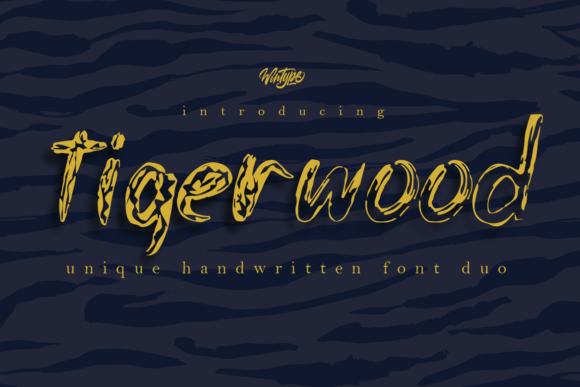
Last week, I was sitting at my kitchen table, staring at a stack of product labels for my new line of handmade candles. The design felt flat, the text too generic. I needed something that would make my brand feel more special—something that would catch people’s eyes and make them remember me. That’s when I discovered Tigerwood, a cool, unique and cursive display font that brought everything together in one elegant swoop.
Tigerwood for Candle Labels and Cozy Branding
Tigerwood is a display font with personality. Its cursive style has a soft, flowing energy that feels both modern and timeless. When I used it on my candle labels, the effect was immediate: the words “Serenity” and “Evening Glow” no longer looked like just names—they became experiences. It gave my packaging a warm, inviting look that matched the cozy vibe of my products. For any small business owner looking to elevate their product labels or packaging, Tigerwood can be a game-changer.
Tigerwood in Social Media Graphics and Brand Consistency
I also started using Tigerwood in my Instagram posts. Whether it was for captions, hashtags, or promotional banners, the font helped create a consistent visual identity across all my platforms. My followers began noticing the same elegant touch in every post, which made my brand feel more polished and trustworthy. Tigerwood isn’t just a font—it’s a tool for building recognition and loyalty through subtle but powerful design choices.
Tigerwood for Café Menus and Foodie Appeal
Another place where Tigerwood really shines is in café menus. I’ve seen how a well-designed menu can influence customer choices and even increase sales. When I redesigned my café’s weekly specials section using Tigerwood, the difference was noticeable. Words like “Caramel Latte” and “Hazelnut Mocha” stood out more, and the overall layout felt more premium. Tigerwood works especially well for short phrases, making it perfect for headlines, titles, and display text in food-related branding.
Tigerwood and Readability on Small Surfaces
One thing I learned early on is that Tigerwood should be used thoughtfully. While it looks amazing on large banners and posters, it needs to be paired with readable supporting text. For small labels or mobile screens, I pair it with a clean sans serif font to ensure clarity. This combination keeps the design visually appealing without sacrificing legibility, which is crucial for anything from product tags to digital ads.
Tigerwood for Stationery and Personalized Touches
If you run a boutique or sell stationery, Tigerwood can add a personal touch to thank-you cards, invitations, and greeting cards. I recently used it for a custom thank-you card set, and customers loved the unique feel. It’s not just about looking good—it’s about feeling good. Tigerwood gives your designs an air of sophistication that makes your brand stand out in a sea of sameness.
Tigerwood and Typography Pairing Ideas
When using Tigerwood, I recommend pairing it with a complementary font to balance the design. A clean sans serif font like Helvetica or Arial works well for body text, while an elegant serif font like Georgia can add a classic touch. If you’re going for a more whimsical look, a handwritten font might be the way to go. The key is to keep things balanced and avoid overwhelming the reader with too much visual noise.
Tigerwood for Website Banners and Digital Branding
For online shops and websites, Tigerwood is ideal for banner headlines, call-to-action buttons, and promotional graphics. It adds a creative flair that draws attention without being distracting. I noticed an uptick in engagement after adding Tigerwood to my website banners, and it made the site feel more cohesive and professional. Whether you're designing for print or digital, Tigerwood helps your brand feel more intentional and memorable.
Tigerwood and Commercial Font Licensing
Before diving into using Tigerwood for client work or product packaging, I made sure to check the licensing options. It’s important to understand what rights come with the font and whether it supports multilingual characters if needed. For commercial use, having the right license ensures you stay compliant and avoids any legal issues down the road. Always read the fine print before using a font on merchandise, templates, or digital downloads.